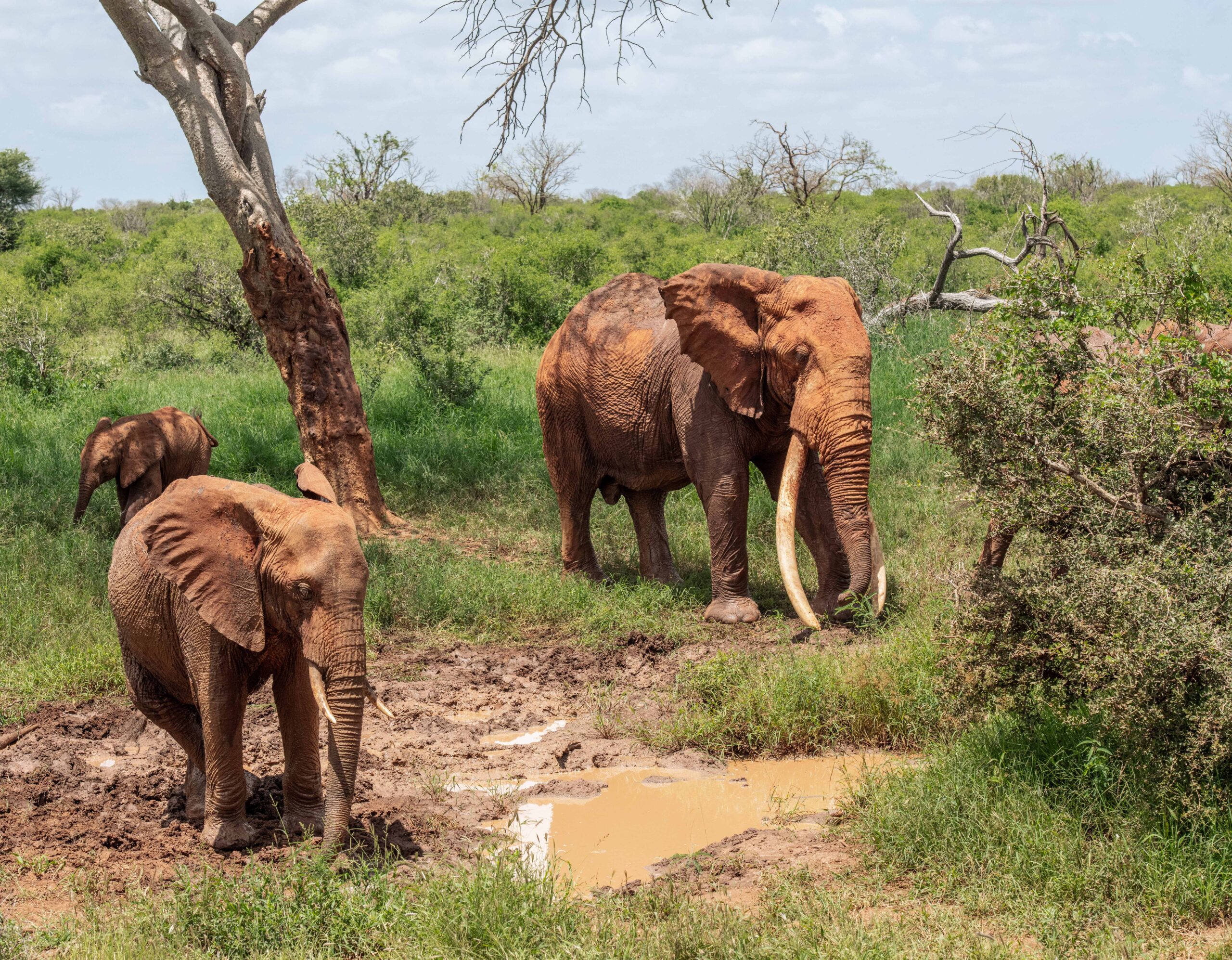
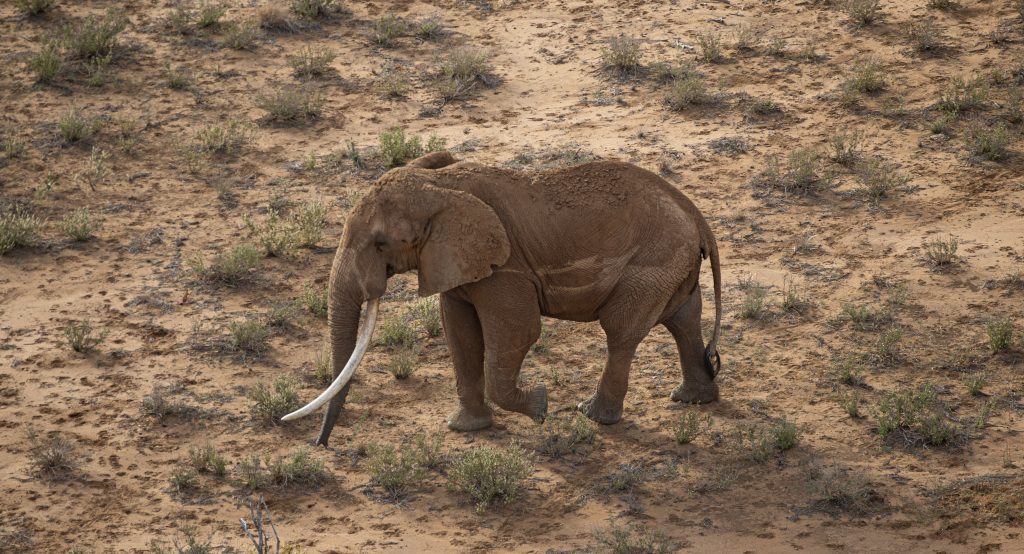
If you’ve ever scrolled through photos of a Kenyan safari, you might have done a double-take at images of Tsavo’s red elephants. Standing out dramatically against the scrubland savannah, these majestic giants look almost mythical.
Are they a rare genetic subspecies? A trick of the light?
The short answer is no—genetically, they are regular African bush elephants (Loxodonta africana). However, their vibrant crimson color tells a fascinating story about animal behavior, local geology, and survival in the wild.
The Geology Behind the Red Earth
To understand why Tsavo’s elephants look red, you first have to look down at the ground.
Tsavo East and West National Parks sit on ancient, volcanic soil known as laterite. Over millions of years, heavy tropical heat and seasonal rain leached away most organic nutrients from the earth, leaving behind concentrated deposits of iron oxide—the same compound responsible for rust.
This iron-rich dust stains everything it touches, giving the entire Tsavo landscape its famous terracotta-red glow.
Dust Baths: Nature’s Ultimate Skin Care Regime
Elephants spend a significant portion of their day grooming. Because elephant skin is wrinkled and sensitive to heat, they rely on mud and dust as natural protection.
Here is how the iconic “red makeover” happens:
Waterhole Cooling: Elephants splash water or wallow in muddy waterholes to bring down their core body temperature.
Dusting Routine: Using their powerful trunks, they scoop up dry, fine red soil and spray it liberally across their backs, ears, and flanks.
The Result: As the mud and dust dry, it forms a thick, red crust over their slate-gray hide.
Why Do Elephants Dust-Bathe in Red Soil?
This isn’t just play; it’s essential for survival in the harsh semi-arid environment of southern Kenya:
3 Key Benefits of Red Soil Dusting:
Sun Protection: The layer of soil acts as a barrier against intense equatorial sunburn.
Parasite Defense: As the mud crust dries and flakes off, it strips away biting insects, ticks, and parasites.
Temperature Control: Moisture trapped in the clay-like earth cools the skin through evaporation.
When washed by rain or a swim across the Galana River, these giants revert to their natural dark gray color until their next dust bath!
Where and When to See Tsavo’s Red Elephants
Tsavo National Park is home to one of Kenya’s largest elephant populations.
Best Time to Visit: The dry seasons from June to October and January to February. During these months, herds congregate around remaining water sources like the Galana River, Mudanda Rock, and Aruba Dam.
Photography Tip: Visit during early morning or late afternoon golden hours. Sun rays hitting the iron dust create a brilliant, shimmering contrast against the green acacia trees.
Explore our Tsavo West and East Packages and Exclusive Offers at Expeditions Wild Jungle