
 26 Nov 2026
 9 min read
Kenya’s Maasai Mara is a wildlife region in southwestern Kenya, known for open grassland and safari viewing. A visit can combine guided game drives, a stay near or within wildlife areas, and travel planning shaped around the season, accommodation, and pace you prefer.
Where the Maasai Mara Fits Into a Kenya Safari
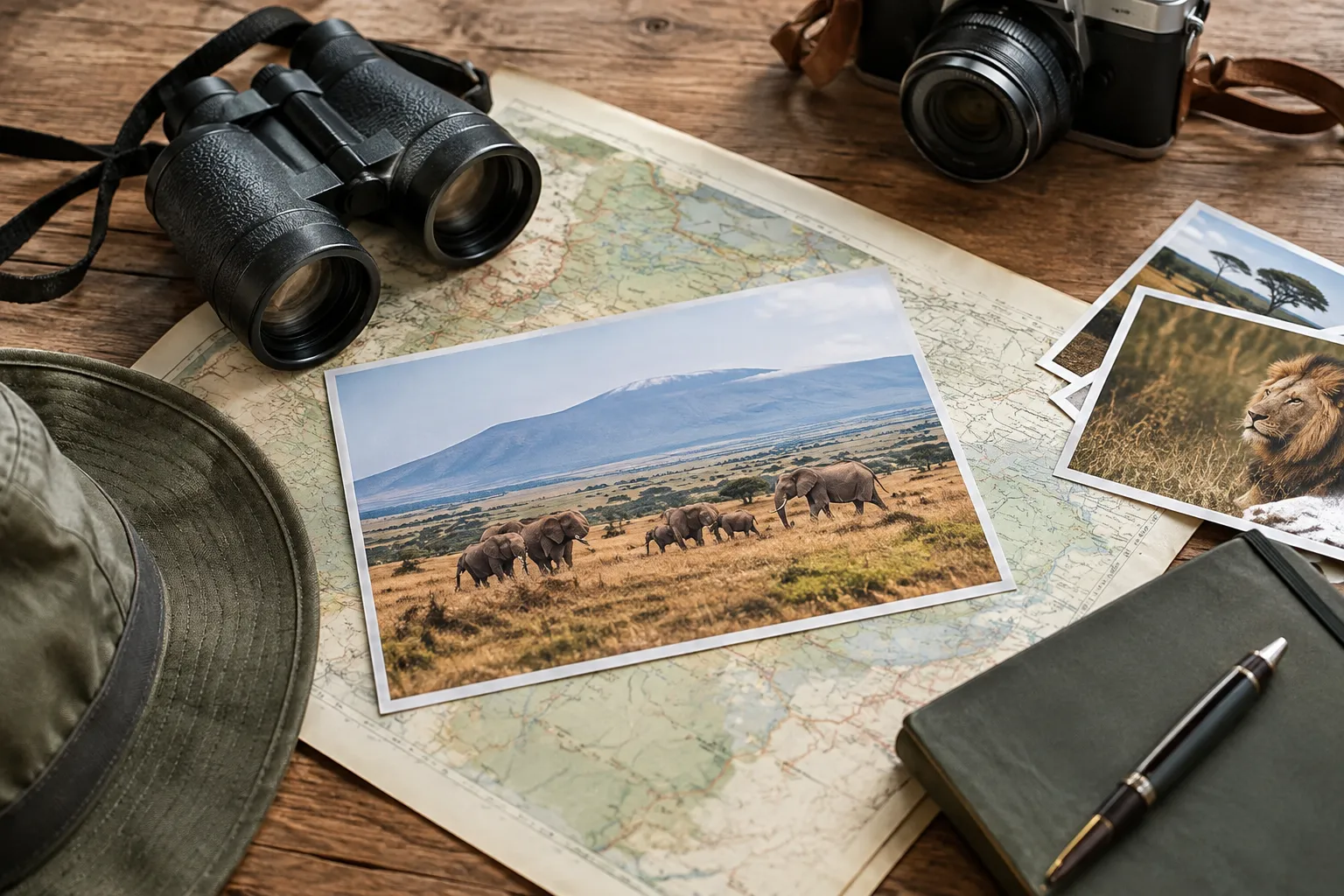
The Maasai Mara lies in southwestern Kenya and forms part of a wider ecosystem that extends across the Kenya–Tanzania border. It can be a standalone safari destination or one stop in a longer Kenya itinerary.
The name is often used broadly, but a trip may involve different settings: the Maasai Mara National Reserve or a private conservancy in the surrounding Mara area. Where you stay affects which area you access and how your days are organized. Before choosing a tour or accommodation, clarify whether the itinerary is based in the reserve, a conservancy, or outside the reserve boundaries. This reserve and conservancy comparison can help explain the distinction.
The Mara is not a resort town where the main experience happens at a hotel. Lodges and camps serve as a base for time in the landscape, often with game drives as a central activity. When comparing Masai Mara lodges in Kenya, therefore, consider both the accommodation and the way the stay connects with wildlife viewing.
A safari may also be part of a broader trip. Travelers might pair time in the Mara with other Kenyan destinations, or plan a separate experience elsewhere in Africa. The right combination depends on available time, travel style, and whether the priority is wildlife, downtime, or a mix.

What a Masai Mara Safari Tour Can Include
A Masai Mara safari tour can center on guided game drives, wildlife observation, and time in the Mara landscape, with the lodge or camp shaping the daily rhythm.
Game drives give visitors a way to explore different parts of the area with a guide. Wildlife is not scheduled, so sightings and the pace of a drive can vary. A useful question when comparing tours is not simply which animals are listed, but how the itinerary allows time for searching, observing, and moving between areas.
The wider Mara ecosystem includes open grassland and wildlife habitats that support a varied safari experience. The wildebeest migration is one seasonal consideration, but it should not be treated as a guaranteed event at a particular place or on a specific day. Timing, location, and conditions matter. For a deeper look at planning around seasons, read this guide to Kenya safari timing.
Ask what activities are actually included in a proposed itinerary. A tour description may emphasize game drives, while the exact schedule, guiding arrangements, transport, and any optional activities need to be confirmed before booking. If you have particular interests—such as photography, a slower pace, or spending more time in one area—raise them during planning rather than assuming they are built into a standard package.
Accommodation is part of the experience, not just a place to sleep between drives. A camp or lodge’s setting influences how the day begins and ends, while its facilities and atmosphere affect how you spend time outside scheduled activities. That is why comparing Masai Mara resorts in Kenya should include the safari arrangements attached to the stay, not only the property’s description.
How the Season Changes Your Safari Experience
The season can shape the Mara’s landscape, travel conditions, and wildlife-viewing opportunities, so choose timing around your priorities rather than assuming every month offers the same experience.
The wildebeest migration is a seasonal movement across the greater ecosystem, not a fixed show that visitors can count on seeing at one location. Travelers hoping to plan around it should ask how the proposed travel dates relate to the intended area and what the itinerary does if wildlife is elsewhere. A migration-focused trip can still involve uncertainty because wildlife moves independently of travel schedules.
Seasonal conditions also affect the character of the landscape and the practical feel of a safari. When comparing dates, consider what matters most to you: migration interest, flexibility, the amount of time available, or a particular style of stay. Ask the planner to explain the reasoning behind the timing recommendation, including the tradeoffs, rather than relying on a broad claim that one period is ideal for everyone.
Accommodation choices can also be affected by timing and demand. Confirm the specific property and room arrangement offered for your travel dates, as well as what happens if that arrangement changes. The distinction between reserve and conservancy settings may be relevant to your plans; this additional guide to Mara safari area choices offers another perspective on those settings.
For a trip combining the Mara with other destinations, consider whether the timing and transfers allow a comfortable pace. Adding more stops may broaden the itinerary, but it also changes how much time is available in each place. Build the trip around the experiences you value most, rather than treating every destination as an equal-length stop.
How to Compare Masai Mara Lodges and Resorts
Compare Masai Mara lodges and resorts by checking their location, access to safari areas, accommodation details, guiding arrangements, and what the quoted itinerary includes.
A property’s name or category alone does not tell you how the stay will work. Request a clear itinerary that identifies where you will sleep, how you will reach the relevant wildlife areas, and which parts of the safari are included. Ask for the accommodation name and room type in writing, then compare that information with the booking documents before confirming.
For travelers concerned about lodging changes, ask how substitutions are handled and when you will be told if a change becomes necessary. Clarify whether a proposed alternative is comparable in location and accommodation type, and who will explain the change. These questions help turn a general promise of a safari stay into details you can review before departure.
Choosing a lodge near the reserve or inside it
A lodge’s position affects how it connects to your safari area and the day’s travel, so confirm its location relative to the reserve or conservancy and the planned activities.
A stay inside a wildlife area and a stay outside it are different planning choices. The location can affect where a game drive begins and how transfers fit into the schedule. Ask for the property’s actual location and the area in which the itinerary’s drives are planned; do not rely on a broad description such as “Mara area” alone.
Then consider your preferred pace. If you want to make the most of time in a particular area, ask how the daily plan works from that specific property. If the itinerary involves transfers between locations, ask how those movements fit around wildlife viewing and check whether the travel time is clearly described.
Comparing lodge and resort styles
Lodge and resort labels are not enough to judge a stay; compare the specific accommodation, facilities, atmosphere, and safari arrangements against your own priorities.
Some travelers want a stay centered on time in the wildlife area, while others place more emphasis on comfort and downtime between activities. Neither preference automatically makes one property style right for everyone. Ask what facilities are available, what is included in the stay, and how the safari schedule is arranged.
Use concrete questions when comparing options:
- What is the property’s name, and where is it located?
- What room type is included?
- Which safari activities and guiding arrangements are part of the itinerary?
- Which services are included, and which are optional?
- How will you be notified and consulted if the named accommodation must change?
These details are especially useful when comparing Kenya safari lodges in the Masai Mara. They help you compare like with like rather than choosing based on labels or general descriptions.
Plan a Masai Mara Safari That Fits Your Trip
A coherent Masai Mara safari matches your travel dates, available time, transport, accommodation, and wildlife priorities instead of treating each decision separately.
Start by deciding what you want the trip to feel like. A wildlife-focused itinerary may prioritize time in the Mara, while a broader Kenya trip may divide time among several destinations. Next, consider how much movement you are comfortable with and whether you prefer a slower stay or a schedule with more transfers.
If you are weighing a road journey against a flight between destinations, compare the complete itinerary rather than one transport segment in isolation. Ask how each option changes the time spent traveling, the arrival and departure arrangements, and the number of nights in the Mara. The details depend on the route and plan being offered, so request a clear comparison for your actual dates.
Build an itinerary around your priorities
Begin with your available dates and top priorities, then use them to decide how much time to spend in the Mara, where to stay, and what travel pace fits.
A practical planning sequence is:
- Choose your main focus, such as wildlife viewing, the migration, or a wider Kenya trip.
- Set your available travel dates and identify any flexibility.
- Decide how much time you want to devote to the Mara rather than other destinations.
- Compare the reserve and conservancy settings relevant to the itinerary.
- Review the transport plan, daily activities, and named accommodation together.
For a honeymoon or another special trip, share what would make the experience feel right to you, including preferred pace, accommodation expectations, and time for rest. That gives a planner something specific to work with. It also makes it easier to discuss tradeoffs, such as adding another destination versus spending longer in one place.
Explore a bespoke Kenya safari
A bespoke Kenya safari gives you a way to discuss your priorities and shape an itinerary around them, including the Mara stay, travel pace, and accommodation details.
When discussing bespoke safari planning, bring your travel dates, preferred trip length, group details, and the experiences you care about most. Be specific about accommodation: ask for the property and room type to be named in the itinerary, and request a clear explanation of how any proposed changes would be handled.
It is reasonable to ask how a trip’s components fit together before making a decision. Review the accommodation, transport, activities, and inclusions as one plan. If anything is unclear, ask for the relevant detail in writing so you can compare the proposed itinerary with what you intend to book.
Masai Mara FAQs
These answers cover common location, timing, entry, and cost questions; confirm current travel and booking details against the rules and itinerary that apply to your trip.
In which country is the Masai Mara located?
The Maasai Mara is in Kenya, in the country’s southwest. It forms part of a wider ecosystem that extends across the border into Tanzania.
What is the 12 hour rule for Masai Mara?
The phrase may refer to a time limit or entry condition associated with a particular visit or booking, but the applicable rule can depend on current park or permit terms. Confirm the exact wording and dates with the relevant authority or your safari planner before traveling.
Is Masai Mara visa free for Indians?
A Maasai Mara visit does not determine whether an Indian traveler needs entry authorization for Kenya. Check current Kenyan immigration requirements for your passport and travel dates before booking.
How expensive is Masai Mara?
The total cost varies with travel dates, accommodation, transport, length of stay, and what the safari package includes. Compare itemized itineraries and confirm which lodging, transfers, activities, and other services are covered.
Take the Next Planning Steps
Turn your preferences into a written itinerary, then check that the accommodation, transport, and safari arrangements match what you plan to book.
- Choose your travel dates, available trip length, and main wildlife priorities.
- Compare reserve and conservancy settings against the pace and activities you want.
- Request a written itinerary naming the accommodation, room type, transport, and included activities.
- Confirm how the planner will communicate and discuss any accommodation change before travel.
- Share your priorities with Expeditions Wild Jungle to explore a safari planned around your trip.